Morocco Travel Blog · 18 min read
Chefchaouen Travel Guide 2026: 50 Things to Know About Morocco's Blue City (By Locals)
Everything about Chefchaouen written by people who've driven there hundreds of times — why the city is really blue, the photo spots nobody shows you, where to stay inside the medina, Akchour waterfalls, the best food, and how to combine it with Fes or Tangier on a road trip.
By Omar L. — Casablanca Local & Morocco Road Trip Specialist · Published February 22, 2026 · Updated August 5, 2026
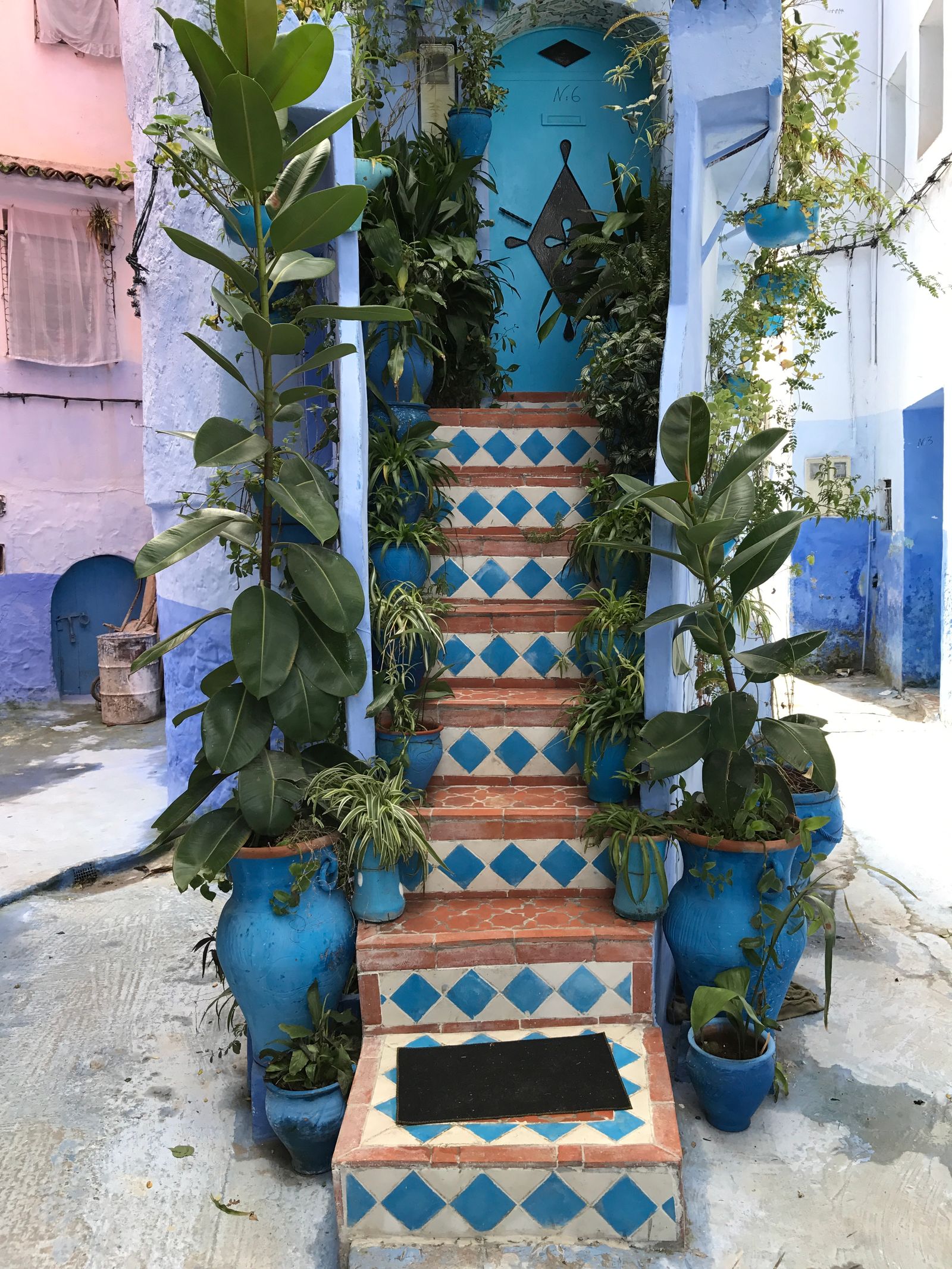
Chefchaouen is unlike anywhere else on earth. A mountain town painted in a hundred shades of blue, tucked into the folds of the Rif Mountains three hours from Casablanca, surrounded by cedar forests, wild thyme, and trails that reward the people who come prepared. It is also one of the most photographed places in Africa — which means it is simultaneously breathtaking and, in the wrong hour, completely overwhelmed with day-trippers pointing cameras at cats. This guide is built on the knowledge of our Casablanca-based team who have driven clients to Chefchaouen more times than we can count. We know where the light is best, which streets are actually private, how to avoid the tour-bus rush, and what makes the difference between a rushed day trip and a stay you remember for years. Here are 50 things to know — the practical, the beautiful, the counterintuitive, and the things most guides skip entirely.
Why Is Chefchaouen Blue? The Real Answer (It's Complicated)
Ask ten locals why Chefchaouen is blue and you will get ten different answers. The truth, supported by historians and long-time residents, is that no single origin story is correct — the blue emerged from several overlapping forces over several centuries.
The most widely cited explanation links the blue to the Jewish community that arrived in Chefchaouen after the 1492 Alhambra Decree expelled Jews from Spain. In Jewish tradition, the color blue — tekhelet — carries sacred significance, representing the divine and the heavens. Many scholars believe the Jewish residents began painting their homes and the mellah (Jewish quarter) blue as a spiritual practice. The community who fled Hitler in the 1930s reinforced this tradition further.
Other explanations are more practical: locals say blue paint reflects more sunlight and keeps buildings cooler in summer, or that it repels mosquitoes by mimicking running water. Neither has been conclusively proven, but both stories persist.
The most honest answer: the blue that tourists photograph today expanded dramatically during the 20th century, was reinforced during the Spanish Protectorate period (1912–1956), and is now maintained actively by local residents and even the local government, who distribute paint to keep the medina's signature color fresh. Every spring, residents repaint their walls, stairs, and doorways. The blue is real, alive, and maintained — but its origins are a layered conversation rather than a single story.
50 Things to Know About Chefchaouen
These are the things our team tells every client before we drop them at the city gates — the practical knowledge that separates a frustrating visit from a memorable one.
- Chefchaouen has no train station and no airport — the only way in is by road or bus. Plan your transport before you arrive.
- The medina is entirely car-free. Park outside the city gates and walk in. Guarded parking lots near the bus station cost MAD 20–30/night.
- Early morning (7–9am) is the best time to photograph the blue streets — empty alleys, soft light, no tour groups.
- Sunset at the Spanish Mosque viewpoint is the most famous view in the city. Expect a crowd. Go 30 minutes early or try sunrise for solitude.
- The Callejon El Asri (also called the Blue Alley or Uta el-Hammam alleyway) is the most photographed street. It's beautiful but overrun by 10am.
- Rue Bin Souk and Calle Hassan I have the most intense blue staircases and the least tourist foot traffic — better for photography.
- The blue is most vibrant in streets that were repainted recently. Look for the deepest indigo — these are the freshest walls.
- Cats are everywhere in Chefchaouen and are part of the city's character. Do not attempt to shoo them away for photos — you will look like the problem.
- Plaza Uta el-Hammam is the main square and the best orientation point. If lost, walk downhill — you will find it.
- The Kasbah Museum on the main square costs MAD 60 entry. Small but genuinely good — the courtyard garden is beautiful.
- No guide is needed to walk the medina — unlike Fes, the medina is small enough (15–20 minutes end-to-end) that you cannot really get lost. You'll get "lost" in a delightful way.
- Blue-painted cobblestones often indicate a private home courtyard. Walk through if the path seems to continue, but don't linger in doorways.
- Mint tea on a rooftop terrace with a view of the medina and Rif Mountains is the essential Chefchaouen experience. Budget 30–60 minutes and don't rush it.
- The food in Chefchaouen is mountain food — different from Marrakech or Fes. Expect fresh herbs, goat cheese, wild honey, and tajines made with Rif valley vegetables.
- Rif region goat cheese (jben) is sold fresh each morning in the small market near Plaza Uta el-Hammam. Eat it with local honey on warm bread — this alone is worth the trip.
- Chefchaouen has one of the most relaxed and low-pressure souk atmospheres in Morocco. You can browse wool blankets, djellabas, leather sandals, and ceramics without the aggressive vendor culture of Marrakech.
- Artisan quality here is genuinely higher than in the major cities. Hand-woven wool blankets and mountain-region textiles are Chefchaouen's specialty.
- Do not buy anything from the first vendor who approaches you in the first hour. Walk the whole medina first, note what you like, return with a sense of fair prices.
- Cannabis (kif) is widely available and semi-tolerated in the Rif region — but it remains technically illegal in Morocco. Foreigners have been arrested. Do not assume tolerance equals legality.
- Ras El-Maa is the natural spring at the eastern edge of the medina where locals do laundry and children play. It is one of the most authentic and photogenic spots in the city — and consistently overlooked by visitors who never walk that far.
- The Spanish Mosque is a 30-minute uphill walk from Plaza Uta el-Hammam. The walk itself — through olive groves with panoramic city views — is better than the mosque. Go slow.
- Akchour Waterfalls are 30 km from Chefchaouen (1-hour drive) in Talassemtane National Park. The hike to the big waterfall is 2–3 hours round trip. God's Bridge natural rock arch is along the same trail.
- Akchour has natural swimming pools fed by emerald-green mountain water. Bring a swimsuit between May and September — this is a genuine highlight.
- Talassemtane National Park surrounding Chefchaouen is home to the last stands of the Moroccan fir tree (Abies marocana), found nowhere else on earth.
- To reach Akchour, hire a grand taxi from the bus station area (negotiate MAD 100–150 round trip with waiting time) or drive yourself — the road is paved and manageable in a standard car.
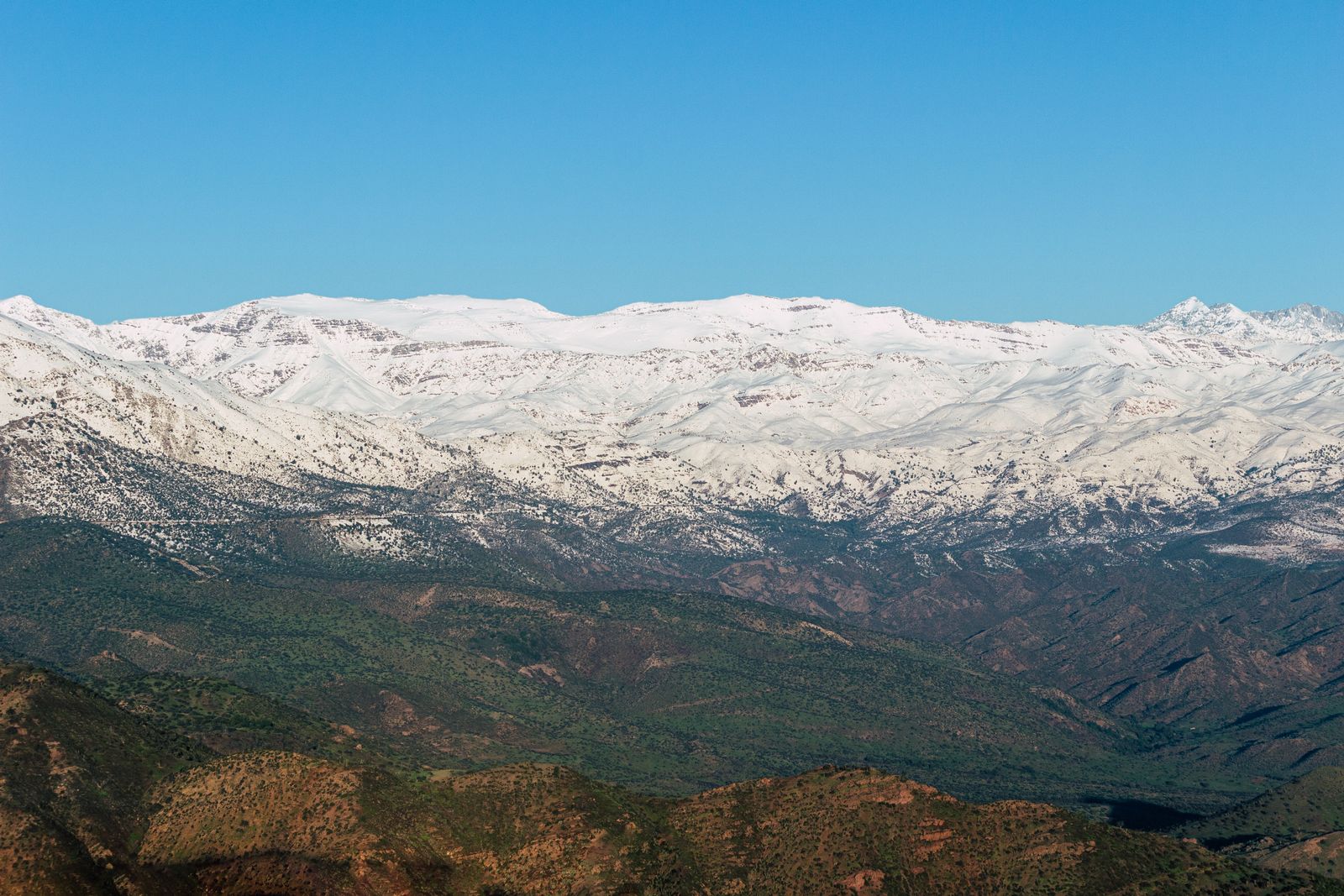
- Jebel el-Kelaa (1,616m) and Jebel Tisouka (2,118m) are the twin peaks visible from the city that gave Chefchaouen its name — the word means "horns" in Berber.
- Hiking trails from the city go in multiple directions. The ridge walk above the Spanish Mosque is accessible without a guide. The longer routes into Talassemtane require one.
- Chefchaouen is safe. It consistently ranks among Morocco's safest cities for tourists. Petty theft exists as in any tourist destination — use normal urban awareness.
- Solo female travelers report Chefchaouen as one of Morocco's most comfortable cities. The harassment that can be present in Marrakech or Fes medinas is significantly less here.
- The best riads are inside the medina but require carrying luggage up stairs and through narrow alleys. If you have heavy rolling suitcases, book a hotel just outside the medina walls.
- Lina Ryad & Spa and Dar Echchaouen are consistently the two most recommended mid-range-to-luxury options. Dar Echchaouen has a pool and is just outside the medina walls — useful for car travelers.
- Hostel Aline and Hostal Kasbah are the best budget options — dorms from MAD 80, private rooms available, rooftop terraces, central locations.
- The upper medina (Ras El-Maa area) has more residential character and better views than the tourist-heavy lower medina around the main square.
- Book accommodation in advance for weekends (Thursday–Sunday), Moroccan holidays, and July–August when day-trippers from Tangier and Tetouan create acute pressure on rooms.
- Spring (March–May) and autumn (September–November) are the best seasons: temperatures 18–26°C, clear mountain skies, and manageable crowds.
- Summer (June–August) is hot and very busy — the medina can feel claustrophobic by 11am with tour groups. Arrive very early or embrace the chaos.
- Winter (December–February) can be cold and rainy — temperatures drop to 5–10°C at night. The medina is beautifully quiet and the light is dramatic.
- Chefchaouen sits at 600 metres altitude — noticeably cooler than the coast or Marrakech, especially in the evenings. Bring a layer even in summer.
- Tétouan is 60 km south (1 hour by grand taxi, MAD 30–50) — a UNESCO-listed medina with strong Andalusian architecture and almost no tourists. A genuinely rewarding half-day trip.
- Tangier is 120 km north (2–2.5 hours by bus or grand taxi) — good day trip, better as part of a north Morocco road trip loop.
- The CTM bus to Chefchaouen from Fes takes 4 hours and costs MAD 75. From Tangier: 2–2.5 hours, MAD 40–70. Book online at ctm.ma, especially Thursday–Sunday.
- Shared grand taxis from Tétouan are faster than buses and cost similar prices — ask at the taxi stand for Chefchaouen.
- There are no large international hotel chains in Chefchaouen. This is intentional. The city's accommodation is entirely local-owned riads, guesthouses, and small hotels.
- The night walking tour of the medina is underrated. The blue walls lit at night look completely different from daytime — fewer tourists and a completely different atmosphere.
- Photography tip: use a wide-angle lens in the narrow alleys — the streets are 1–2 metres wide and you cannot physically step back far enough with a standard lens.
- The best souvenir from Chefchaouen is not a photo but a hand-woven wool blanket. They are practical, authentic, genuinely local, and competitively priced here versus anywhere else in Morocco.
- Chefchaouen has no major historical sites beyond the Kasbah. It is primarily a sensory experience — the light, the colour, the pace, the food, the mountain air. Come with that expectation.
- Plan minimum 2 nights. One day is enough to see the sights. The second day is when Chefchaouen changes you — you slow down, you sit longer, you notice the small things.
- Getting to Chefchaouen by car from Casablanca takes 3h45–4h30 via the A1/A4 motorway to Tangier then south via Tétouan. Renting a car at Casablanca Airport (CMN) and making Chefchaouen one stop on a north Morocco loop (Rabat → Tangier → Chefchaouen → Fes) is one of the best itineraries in the country.
- The road from Tétouan to Chefchaouen (N2 highway) is one of the most beautiful drives in Morocco — mountain switchbacks, cedar forest, sweeping valley views. Take your time on it.
How to Get to Chefchaouen — All Options from Major Cities
Chefchaouen has no train and no airport. Every visitor arrives by road. Here are your realistic options from Morocco's main cities.
| From | Distance | Drive time | Bus time / price | Best option |
|---|---|---|---|---|
| Casablanca (CMN Airport) | ~340 km | 3h45–4h30 | No direct bus — change at Tangier or Tétouan | Rental car: most flexible, best views |
| Tangier | ~120 km | 1h45–2h15 | CTM bus: 2h, MAD 40–70 | Grand taxi: MAD 30–50/seat, faster |
| Fes | ~200 km | 3h00–3h45 | CTM bus: 4h, MAD 75 | Car: faster, allows Tétouan stop |
| Rabat | ~280 km | 3h30–4h00 | No direct bus — via Tangier | Car: most efficient |
| Marrakech | ~550 km | 6h30–7h30 | No direct bus — overnight via CTM | Car or flight Marrakech → Tangier |
| Tétouan | ~60 km | 1h00–1h15 | CTM/bus: 1h30, MAD 25–40 | Grand taxi: MAD 25–35/seat, most common |
Best Time to Visit Chefchaouen
Chefchaouen's mountain location at 600 metres gives it a completely different climate from Marrakech or Casablanca. The city is pleasant year-round but with very different characters across seasons.
| Season | Temperature | Crowds | Verdict |
|---|---|---|---|
| March–May | 15–24°C, sunny, some rain | Medium, building | ⭐ Best — perfect light, manageable crowds, wildflowers on the trails |
| June–August | 26–35°C, dry, very busy | Peak — overwhelming on weekends | Good but arrive early — medina is packed 10am–5pm |
| September–October | 18–26°C, excellent | Medium, declining | ⭐ Second best — warm days, cool nights, September particularly perfect |
| November–February | 5–15°C, rain possible | Low — mostly domestic | Beautiful and quiet — cold evenings, dramatic cloudy light, very few tourists |
| Ramadan (variable) | Any weather | Local festival atmosphere | Interesting cultural experience — some restaurants closed daytime |
Where to Stay in Chefchaouen — Honest Guide
The choice of where to stay shapes your entire experience. Chefchaouen has no large hotel chains — every option is a riad, guesthouse, or small boutique hotel, all locally owned.
| Area | Vibe | Best for | Typical price/night |
|---|---|---|---|
| Lower medina (Plaza Uta el-Hammam) | Central, lively, touristy | First-timers, short stays, Instagram shots | MAD 200–800 (€18–74) |
| Upper medina (Ras El-Maa area) | Quieter, residential, better views | Photography, longer stays, authentic feel | MAD 250–600 (€23–55) |
| Just outside medina walls | Modern comfort, car access, pool possible | Car travelers, families, comfort seekers | MAD 400–1,200 (€37–111) |
| Rif Mountains (8–15 km out) | Complete silence, hiking access, nature | Hikers, couples, digital detox | MAD 300–700 (€28–65) |
What to Eat in Chefchaouen — Mountain Food, Not Tourist Food
Chefchaouen's food is distinct from the rest of Morocco — influenced by the Rif Mountains, Andalusian heritage, and a tradition of slow, generous mountain cooking. It is, in our team's collective opinion, some of the best food in the country.
The essential Chefchaouen food experiences are: fresh goat cheese (jben) with local honey at the morning market; a slow tajine of lamb with local herbs and wild-harvest honey on a rooftop terrace; bissara (fava bean soup) from a street stall for breakfast for MAD 5; and freshly squeezed orange juice at Ras El-Maa beside the stream.
| Dish / Food | Where to find it | Price | Notes |
|---|---|---|---|
| Jben (fresh goat cheese) | Morning market near Plaza Uta el-Hammam | MAD 15–25 | Sold in rounds, eat with local honey and bread |
| Bissara (fava bean soup) | Street stalls, early morning | MAD 5–10 | The local breakfast — thicker and richer than elsewhere in Morocco |
| Lamb tajine with Rif herbs | Any riad restaurant | MAD 60–120 | Mountain herbs make this noticeably different from city tajines |
| Kefta (minced lamb) briouats | Medina bakeries and stalls | MAD 5–15/piece | Fried pastry filled with spiced lamb — eat fresh, eat standing |
| Sfenj (Moroccan doughnuts) | Street corners, mornings | MAD 2–3 each | Hot, fresh, dusted with sugar — better here than anywhere |
| Mint tea with Rif mountain honey | Every café terrace | MAD 10–20 | Order the honey on the side — the local honey is extraordinary |
| Orange juice at Ras El-Maa | Café at the spring | MAD 10–15 | Fresh-squeezed beside a mountain waterfall — one of Morocco's great simple pleasures |
| Amlou dip with bread | Riad breakfasts | MAD 20–40 | Argan oil, almond, honey paste — eat with fresh-baked bread |
The Best Photo Spots in Chefchaouen (With Times)
Chefchaouen is one of the most photographed cities in the world. These are the shots that matter — and the times and tactics that separate a memorable photo from a tourist-catalog image.
| Spot | Best time | Crowd level | What makes it special |
|---|---|---|---|
| Blue alley staircases (upper medina) | 7–9am | Empty | Soft blue morning light, no people — the classic Chefchaouen shot |
| Rue Bin Souk | 7–9am or 5–7pm | Light | Most intense blue walls in the city, narrow staircase perspective |
| Calle Hassan I | 7–9am | Empty | Residential feel, cats and flower pots, color saturation highest here |
| Plaza Uta el-Hammam | Evening (6–8pm) | Busy but worth it | Main square with Kasbah lit at dusk — the social heart of the city |
| Spanish Mosque viewpoint | Sunset or sunrise | Crowded at sunset | Panoramic city and mountain view — unique shot of entire blue medina |
| Ras El-Maa spring | Morning or late afternoon | Light | Locals at the spring, mountain backdrop, real life — not tourist-facing |
| Rooftop terraces (various) | Golden hour (5–7pm) | Variable | Book a café terrace with a Rif Mountain view — the light turns everything gold |
| Road into Chefchaouen from Tétouan | Afternoon arrival | None | The mountain descent reveals the city gradually — photograph from the car window |
Day Trips and Hikes from Chefchaouen
The city itself takes half a day to see. The reason to stay longer is what surrounds it — Talassemtane National Park, Akchour Waterfalls, God's Bridge, Tétouan, and trails that go for days into the Rif Mountains.
| Destination | Distance | Time needed | How to get there | Highlight |
|---|---|---|---|---|
| Akchour Waterfalls | 30 km | Full day | Grand taxi MAD 100–150 return, or rental car | Hike to big waterfall (2–3h), swim in emerald pools, God's Bridge arch |
| Talassemtane National Park | 10–30 km | Half to full day | Car or guided | Moroccan fir forest, wildlife, scenic trails, spring wildflowers |
| Spanish Mosque hike | 1 km uphill from medina | 1 hour return | Walk from Plaza Uta el-Hammam | Best panoramic view of the blue city — do at sunset or sunrise |
| Jebel el-Kelaa hike | 5 km from city | Half day | Walk or taxi to trailhead | One of the two "horns" that give Chefchaouen its name — 1,616m views |
| Tétouan | 60 km | Half day | Grand taxi MAD 30–50/seat | UNESCO medina, Andalusian architecture, zero tourists, Royal Palace |
| Derdara village | 15 km | 2–3 hours | Grand taxi | Berber mountain village, traditional life, local market on Sundays |
The North Morocco Road Trip: Chefchaouen by Car
The best way to reach Chefchaouen is by rental car, not because it is the only way, but because the road there is half the experience — and the destinations you can connect around it make one of the finest road trips Morocco offers.
The classic north Morocco loop from Casablanca: CMN Airport → Rabat (1h20) → Tangier (3h) → Chefchaouen (2h) → Fes (3h) → Casablanca (3h). Total: 7–10 days. Total driving: ~900 km of Morocco's best-maintained roads. Highlights: Atlantic coast, Strait of Gibraltar views, blue city, imperial Fes medina.
MoroccoForYou Cars at CMN Airport handles this route regularly — we know the toll booths, the mountain roads, and the parking situation at every stop. Economy car from €23/day, unlimited mileage.
Plan your Morocco trip with us
MoroccoForYou is a Morocco-based agency. Tell us your dates on WhatsApp — we reply within an hour with a draft itinerary, hotel options and a car or driver quote.