Morocco Travel Blog · 10 min read
Driving in Morocco: Essential Tips for Tourists (2026 Guide)
Essential guide to driving in Morocco for tourists: road rules, safety tips, best routes, petrol prices and car rental from €29/day at Casablanca Airport CMN.
By MoroccoForYou Editorial · Published May 30, 2026
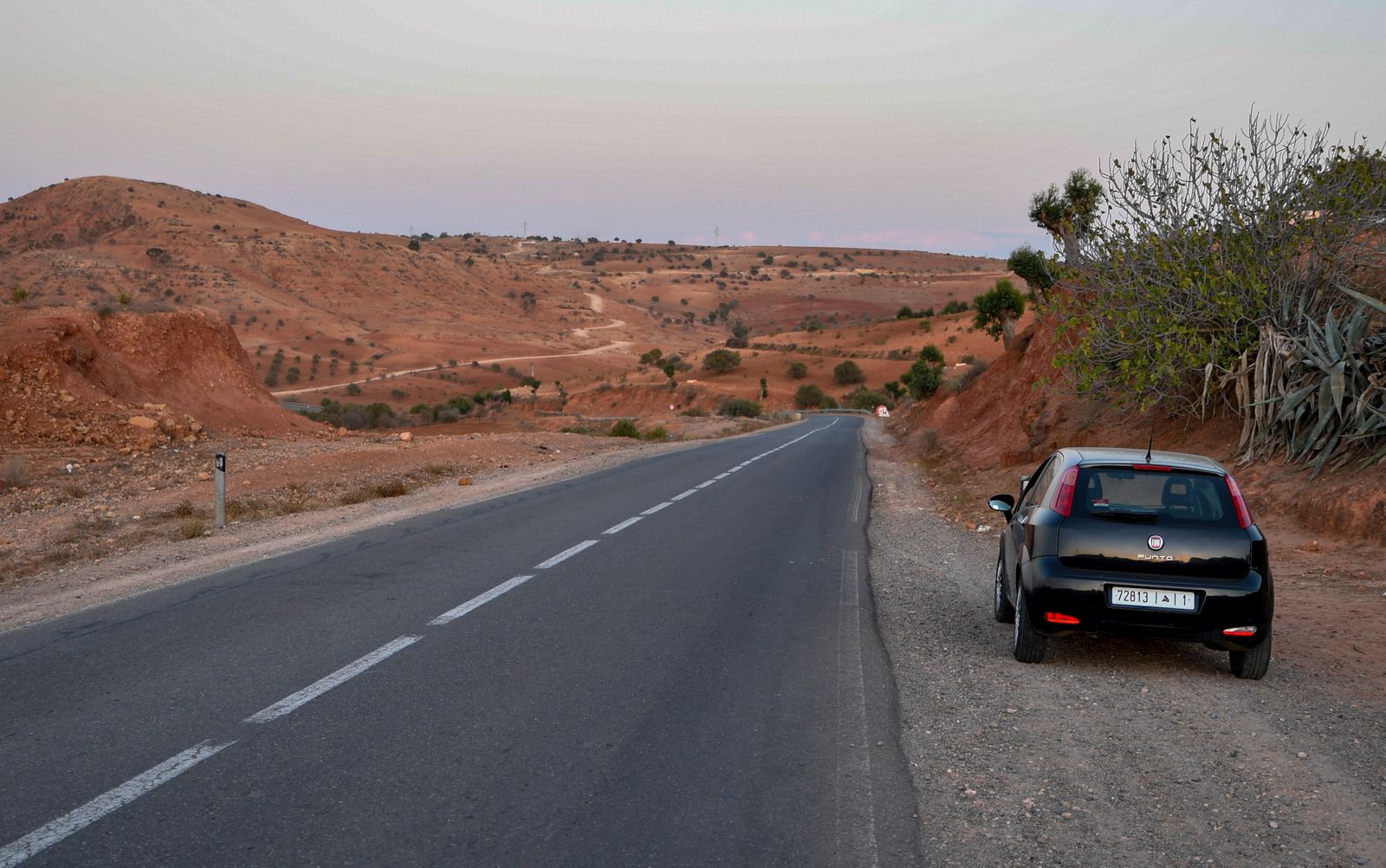
Driving in Morocco is one of the best ways to explore the country at your own pace. From the winding Atlas mountain roads to the straight desert highways leading to Merzouga, a self-drive trip gives you freedom that buses and trains cannot match. Before you pick up the keys at Casablanca Airport CMN, here is everything you need to know — road rules, safety, best routes, petrol prices, and which car to rent.
Is Driving in Morocco Safe for Tourists?
Yes — driving in Morocco is safe for tourists who come prepared. The main highways (A1, A3, A7) are modern, well-maintained, and clearly signposted. The risks are urban traffic in Casablanca and Marrakech, unmarked speed bumps on rural roads, and occasional livestock crossing. Drive defensively, avoid rural driving at night, and you will have no problems.
Moroccan Road Rules You Must Know
Morocco drives on the right-hand side — same as France and Spain. Speed limits: 120 km/h on highways, 100 km/h on main roads, 40–60 km/h in towns. Seatbelts mandatory. Mobile phone use while driving illegal. Police checkpoints are common — always carry your passport, driving licence, and rental documents. Emergency numbers: police 190, gendarmerie 177.
Do You Need an International Driving Licence?
Technically yes by Moroccan law, but in practice EU, UK, US, Canadian and Australian licences are accepted by rental agencies and police without an IDP. An International Driving Permit is only essential if your licence uses a non-Latin alphabet. Always confirm with your rental agency.
Best Morocco Road Trip Routes
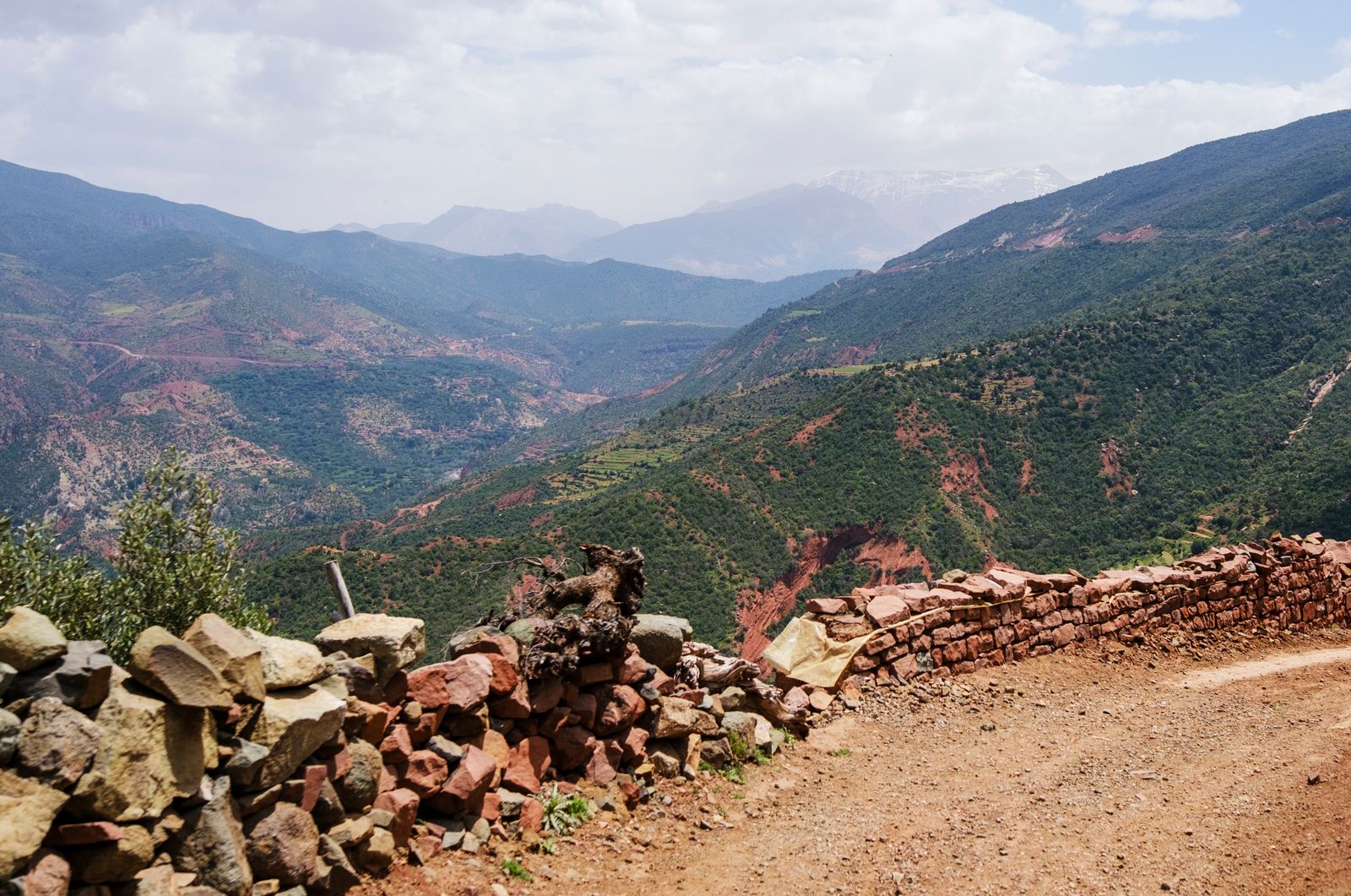
The Imperial Cities circuit — Casablanca → Rabat → Fes → Meknes → Marrakech — is the classic road trip covering 900 km of excellent highways in 5–7 days. For desert scenery, Marrakech over the Tizi n'Tichka pass (2,260m) to Ouarzazate then east to Merzouga is spectacular — allow 8–9 hours realistically. The Agadir–Essaouira coastal road (N1) is one of Africa's most scenic drives.
| Route | Distance | Drive time | Road type / toll | Highlights |
|---|---|---|---|---|
| Casablanca → Marrakech | 240 km | 3 h | Highway A7 (~80 MAD toll) | Easy dual carriageway |
| Marrakech → Fes via Ifrane | 500 km | 6 h | National roads N8/N24 | Atlas mountains, cedar forest |
| Marrakech → Merzouga | 560 km | 8–9 h | Mountain pass N9 / desert | Tizi n'Tichka (2,260m), Sahara |
| Agadir → Essaouira | 170 km | 2.5 h | Coastal highway N1 | Atlantic views, argan goats |
| Fes → Chefchaouen | 200 km | 3.5 h | Regional roads | Rif mountains, blue city |
Petrol, Tolls and Parking in Morocco
Petrol prices mid-2026: unleaded 13–14 MAD/litre (≈€1.15–1.25), diesel 12–13 MAD/litre (≈€1.05–1.15). Casablanca–Marrakech highway toll ≈80 MAD (€7) one way. Budget 150–300 MAD/day for tolls on longer routes. Use guarded car parks (gardiens de parking) in cities — 5–10 MAD/hour — and never leave valuables visible.
What Car to Rent for Morocco?
For cities and highways: Renault Clio or Dacia Sandero. For mountain roads and desert routes (Merzouga, Dades Gorge, Ait Ben Haddou): Dacia Duster 4x4. For groups of 5–8: Dacia Lodgy MPV. MoroccoForYou Cars offers pickup at Casablanca Airport CMN from 320 MAD/day (€29) with unlimited mileage and full insurance — book on WhatsApp for instant confirmation.
What to Do in a Car Accident in Morocco
Call police (190) or gendarmerie (177). Complete a constat amiable (accident report) — your rental agency provides this. Do not move vehicles for significant accidents until police arrive. Contact your rental agency immediately. Check your rental agreement covers comprehensive insurance before signing.
Plan your Morocco trip with us
MoroccoForYou is a Morocco-based agency. Tell us your dates on WhatsApp — we reply within an hour with a draft itinerary, hotel options and a car or driver quote.