Morocco Travel Blog · 11 min read
Is Morocco Safe for Solo Female Travelers? The 2026 Honest Answer
Solo female travelers ask us this every week. Here is the honest 2026 answer, written with input from women guides in Morocco — what to expect on the street, in riads, in taxis, and the cities that work best.
By MoroccoForYou Editorial · Published May 15, 2026 · Updated May 29, 2026
Yes, Morocco is broadly safe for solo female travelers, and tens of thousands of women visit alone every year without incident. But "safe" is not the same as "hassle-free": street harassment in Marrakech and Fes medinas exists, and the rhythm of solo travel as a woman here requires a few specific habits — choosing the right riad, knowing how to dress, picking taxis carefully, and walking with the kind of confident body language locals immediately read as "she knows the city". This guide is written with input from our women drivers and licensed guides who live in Morocco. It is not "watch out, you’re in danger". It is "here is what to expect and how to enjoy yourself".
The short answer — and the honest caveats
Violent crime against tourists is rare. The Moroccan tourism police presence in Marrakech, Fes, Rabat, Casablanca and Chefchaouen is visible and effective. In 2025 the country was ranked among the safer tourist destinations in MENA by major travel insurers.
The reality you should plan for is verbal street attention: "bonjour gazelle", "where you from?", "I love you", whistles. It is more annoying than threatening, more frequent in Marrakech and Fes medinas than in Chefchaouen, Rabat or Essaouira, and it stops almost entirely once you’re inside your riad, on a beach club lounger, or with a guide.
Where to stay — riads as a safety choice
For solo women, the single best decision you make is your accommodation. Pick a small riad (4–10 rooms) inside the medina that includes a free arrival meet-and-greet at the nearest gate. This solves three problems at once: you’re met by someone who knows you, the porter walks you through the alleys with your luggage, and from day two you’re a face the neighbourhood recognises.
Specifically recommended for solo women: riads with a female host or female front-of-house team (very common in [Marrakech](/destinations/marrakech/) and [Chefchaouen](/destinations/chefchaouen/)), a hammam on site, and an enclosed rooftop. Examples mentioned by our female guests: Riad Yasmine and Riad Star in Marrakech, Riad Be Marrakech, Dar Antonio in Chefchaouen.
Cities ranked for solo female ease
Not all Moroccan cities feel the same when you are a woman walking alone. This rough ranking is based on hundreds of conversations with returning travellers.
| City | Solo female experience | Vibe |
|---|---|---|
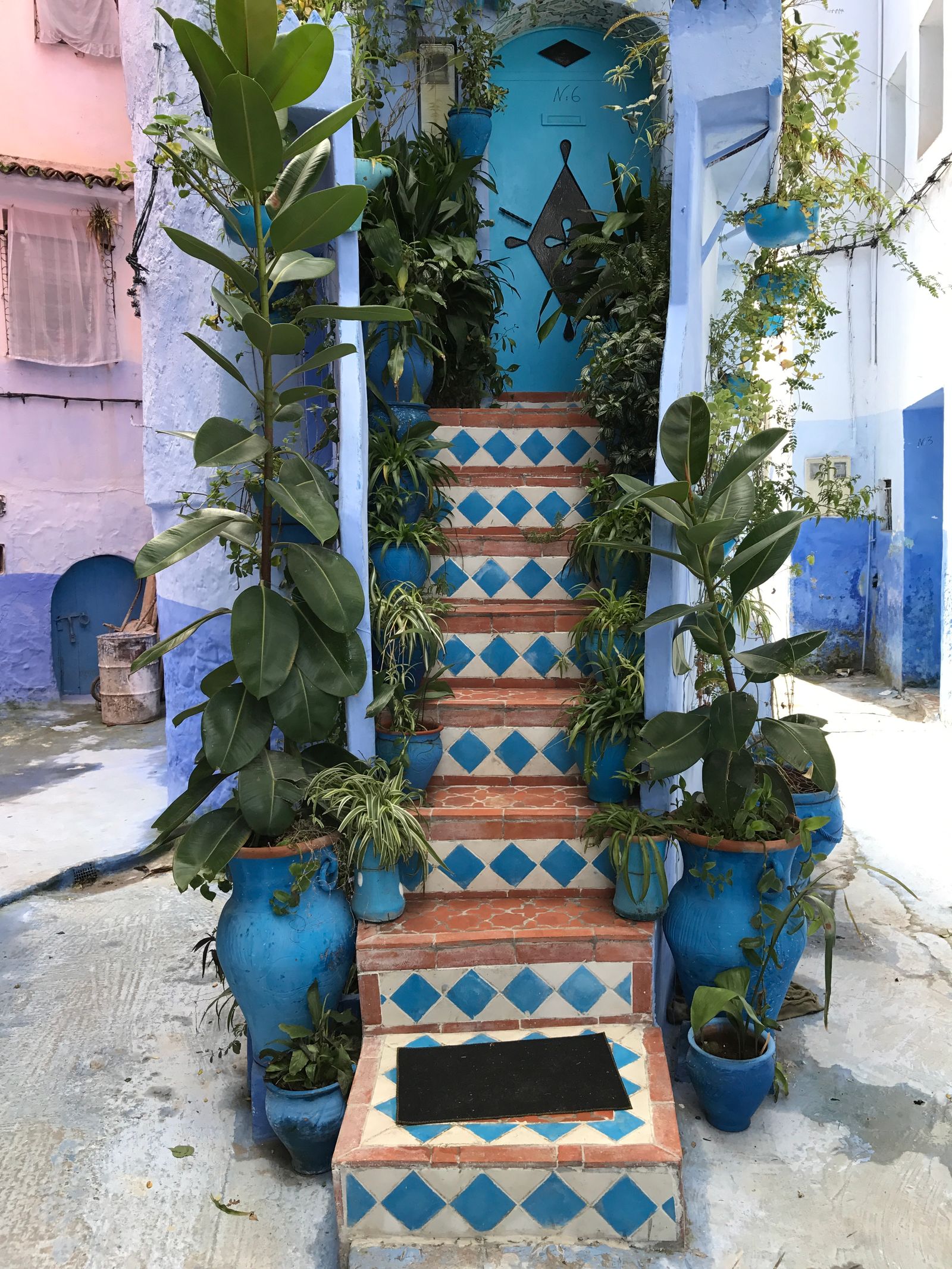
| Chefchaouen | Easiest — quiet, friendly, low harassment | Mountain town, mostly walking |
| Rabat | Very easy — clean, modern, low hassle | Capital, well-kept |
| Essaouira | Easy — laid-back, breezy, mixed crowds | Atlantic port, surf town |
| Casablanca | Easy — big-city anonymity | Cosmopolitan, Art Deco |
| Fes | Moderate — best with a licensed guide first day | Dense medieval medina |
| Marrakech | Moderate — friendly but persistent hustle | High-energy red city |
| Tangier | Easy in the kasbah, moderate downtown | Port city, cosmopolitan |
What to wear — dress as a safety lever
You do not need to dress conservatively. You should dress relaxed. Loose linen trousers, a light long-sleeve shirt, a scarf in your bag, sandals or trainers. Showing shoulders or knees is fine in modern cities like Casablanca and Rabat, less common in Fes medina and rural villages. Beach attire is fine on beach club loungers and hotel pools, not on public city streets.
You will get less street attention dressed like a Moroccan thirty-something on her way to work than dressed in stereotypical "tourist". This is also why women guides recommend a third small purchase on day one: a kaftan or a long simple djellaba from the medina. Free street-attention insurance for the rest of your trip.
Taxis, drivers and intercity transport
Petit-taxis are the everyday workhorse — red in Casablanca, beige in Marrakech, blue in Fes, turquoise in Chefchaouen, etc. Always insist on the meter ("compteur s’il vous plaît"). If the driver refuses, get out and take another. Minimum daytime fare is MAD 20; night fare is 50% higher and that’s legitimate. Female solo travellers can prefer the front passenger seat (more legroom, easier to see the meter) or the rear if they want more privacy.
For longer trips (Marrakech → Sahara, Fes → Chefchaouen), use a vetted private driver booked through your riad or [MoroccoForYou Cars](/rent-a-car/casablanca-airport/). The same agency drivers do hundreds of trips a year and accountability is built in. We have female drivers on request.
Walking the medina — practical habits
Use Google Maps openly — locals do. Choose a wide alley over a narrow one when both lead the same place. Walk briskly with a purpose, even if you are wandering. If a young man insists on guiding you, point at the nearest shop and say "I’m meeting my friend there" — works every time.
Avoid medina alleys after 11pm. Not because of crime risk specifically, but because shops close, lighting drops, and orientation gets harder. Travel back from dinner by petit-taxi to the medina gate, and walk the last block.
Cafés, restaurants and the "women’s seating" question
You will notice in Casablanca and Rabat that working-class cafés on a Monday afternoon are mostly men. This is cultural rather than restrictive — women can absolutely sit, the staff will serve you politely, but you may prefer mid-range and tourist cafés where the gender mix is balanced. Restaurants in tourist areas are universally mixed and welcoming.
Eating alone in [Marrakech](/destinations/marrakech/) at a Jemaa el-Fnaa food stall is fine and common. Sit at one of the busier stalls (queue = good), order what the table next to you ordered, and enjoy.
Hammam, spa and "female-only" experiences
Traditional public hammams are gender-segregated by time slot (mornings women, afternoons men, or by separate rooms). Riad and hotel hammams are usually private rooms by booking, where you are alone with one female attendant — these are an excellent solo experience and a defining Morocco memory.
For yoga retreats, women-focused tours, and women-led desert camps, ask us on WhatsApp — there is a small but growing scene of women-led travel businesses in Morocco, especially around Essaouira, Imlil and Chefchaouen.
Plan your Morocco trip with us
MoroccoForYou is a Morocco-based agency. Tell us your dates on WhatsApp — we reply within an hour with a draft itinerary, hotel options and a car or driver quote.