Morocco Travel Blog · 12 min read
Mount Toubkal Trek: What to Really Expect on the 2-Day Climb to North Africa's Highest Peak
Quick answer: the standard Mount Toubkal trek is 2 days, 1 night — a moderate but genuinely demanding hike from Imlil to a mountain refuge on day one, followed by a pre-dawn summit push to 4,167m and a long descent back to Imlil on day two. It requires no technical climbing, but altitude, an early 4am wake-up, and a final 500m of loose scree make it harder than it looks on paper. This guide walks through what actually happens each day, based on what past trekkers consistently report, what to pack, and what a licensed guide adds that solo trekking can't.
By Omar L. — Casablanca Local & Morocco Road Trip Specialist · Published September 3, 2026 · Updated September 3, 2026
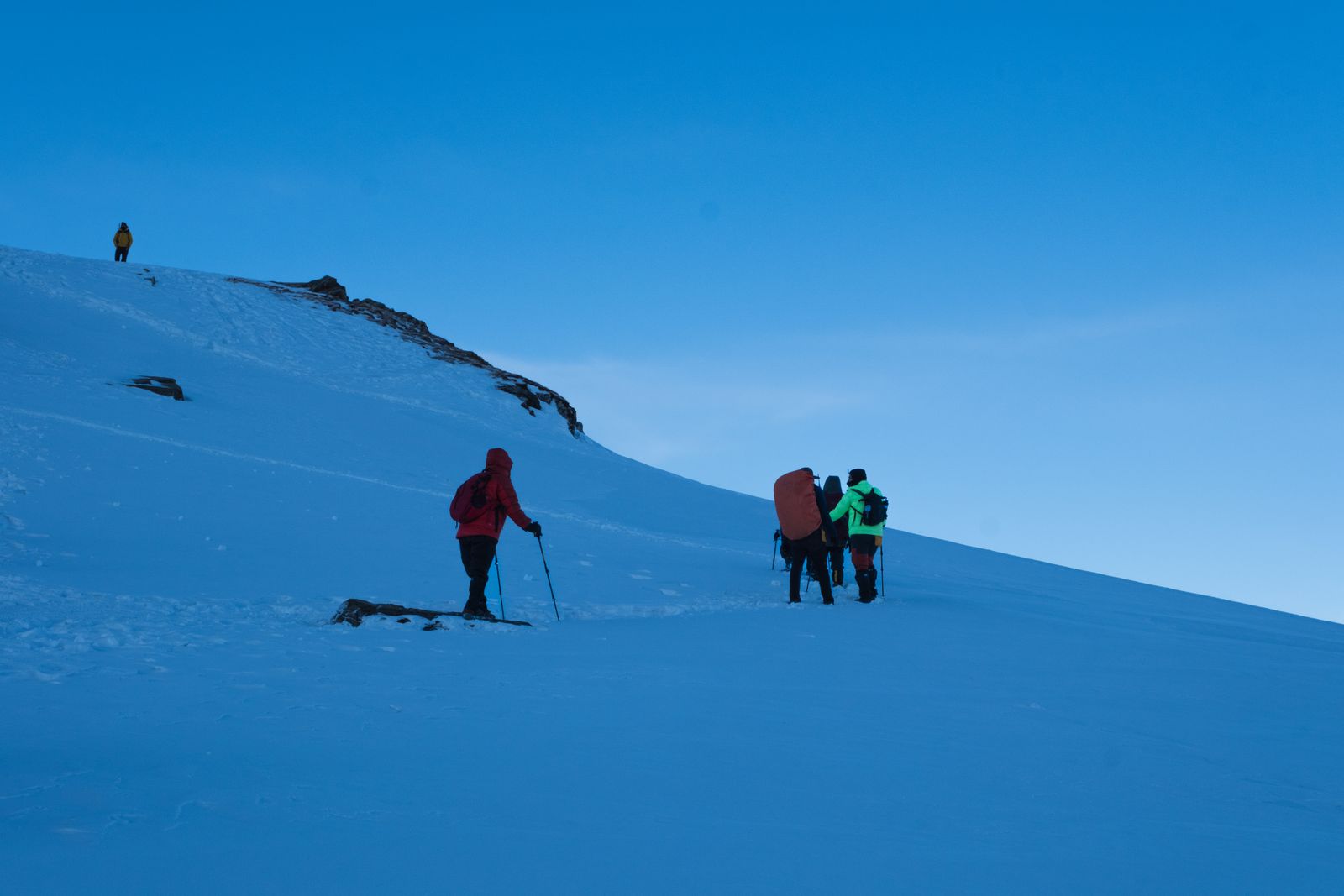
Quick answer: the standard 2-day, 1-night Mount Toubkal trek starts with a scenic drive from Marrakech to Imlil, then a 5-6 hour hike through the Mizane Valley to a mountain refuge at around 3,207m, where you sleep before a 4am wake-up for the summit push. The final stretch to 4,167m — the highest point in North Africa — crosses loose scree and takes real effort at altitude, but requires no technical climbing gear. Reviewers across multiple platforms consistently describe it as "tougher than expected" yet "absolutely worth it," with the licensed guide making the difference between a good and a rough experience. Here is what actually happens on each day, based on what recent trekkers report.
Book the Trek
Everything described in this guide — the licensed guide, mule support, refuge night and meals — is included in the verified 2-day, 1-night trek departing regularly from Marrakech/Imlil.
Day 1 — Marrakech to the Refuge
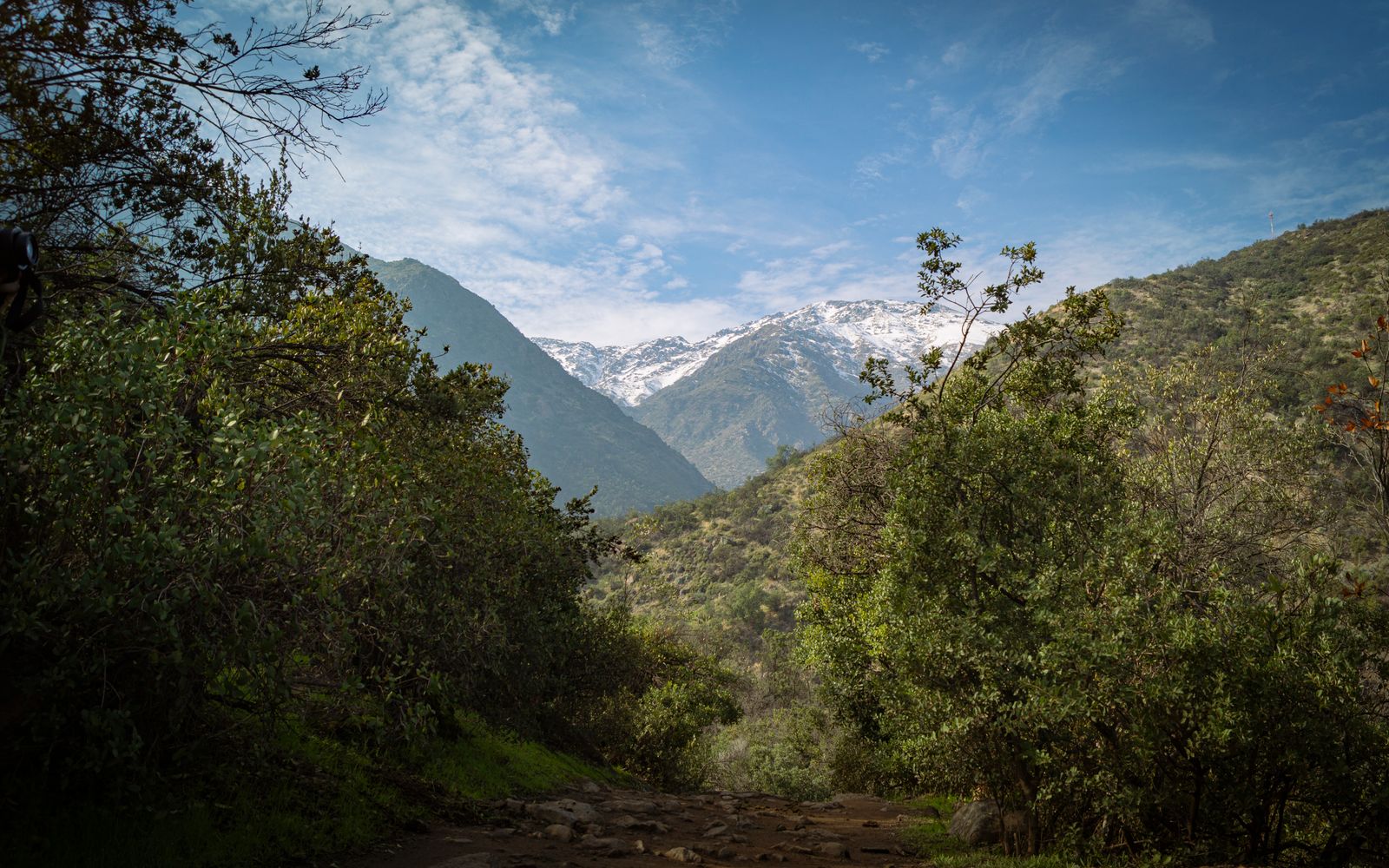
The trek begins with a scenic drive from Marrakech to Imlil, then the hike proper starts through the Mizane Valley, passing Aremd — the largest Berber village in the area — and the Sidi Chamharouch shrine, a whitewashed pilgrimage site partway up the trail. The walk to the refuge covers roughly 10 km and takes 5-6 hours at a steady pace, with mules carrying the heavier gear and luggage so trekkers only need a small daypack.
Refuge accommodation is genuinely basic — shared rooms, sometimes with a dozen or more other trekkers, and simple facilities. Multiple reviewers specifically recommend bringing ear plugs and an eye mask, since altitude alone makes sleep difficult even before accounting for a shared room. Food at the refuge is consistently praised across reviews — simple but plentiful, with trekkers repeatedly thanking the cook by name.
Day 2 — The Summit Push
Summit day starts early — around 4am — for a pre-dawn ascent via the south cirque. This section gains roughly 960m over scree and boulder fields, with the final 500m on loose rock that genuinely requires careful footwork rather than technical climbing skill. Reviewers who reached the summit at sunrise consistently describe it as the highlight of the trip, even those who found the climb itself harder than expected.
The descent back to Imlil after summiting typically takes the rest of the day, with the full summit-to-Imlil return running 7-9 hours. By this point, fatigue is real — one reviewer noted a guide carried their bag for the final 30 minutes after their legs gave out, a detail that comes up often enough in reviews to be worth expecting rather than being surprised by.
What Reviewers Consistently Say
A few patterns show up again and again across independent reviews of this exact trek, worth knowing before you book.
- The guide makes or breaks the experience — nearly every strongly positive review names their guide specifically and credits them for safety, pacing, and morale, while pacing complaints (when they occur) are usually resolved once flagged
- It is "tougher than expected" for a large share of reviewers, even those with some hiking background — this is not a casual walk, and treating it as one is the most common regret
- Group size varies — some tours run in small groups of 2-3, others combine multiple bookings into a single group of 10+ people at the refuge, so confirm this if a smaller group matters to you
- The summit sunrise is repeatedly described as "worth every step," including by reviewers who found the ascent itself the hardest physical thing they had done
- Guides are multilingual on most licensed tours — commonly Arabic, French, English and Spanish — making this genuinely accessible regardless of your first language
Best Time to Climb Mount Toubkal
The summit route is open year-round, but conditions and difficulty shift dramatically by season, which genuinely affects how hard the trek feels day to day.
| Period | Conditions | Verdict |
|---|---|---|
| May–June | Snow largely melted, mild temperatures, clear trails | Widely considered the best window for the standard non-technical route |
| September | Stable weather, fewer crowds than spring | Another top-rated month for a summit attempt |
| July–August | Warm, generally clear, but busier trail and refuge | Doable, though higher demand for guides during peak season |
| October–November | Cooling temperatures, first snow possible at altitude | Still feasible for most trekkers, pack for colder nights |
| December–March | Full snow and ice above the refuge | Winter mountaineering only — crampons, ice axe and cold-weather experience required |
How Hard Is It, Really?
This is a non-technical trek — no ropes, no climbing gear, no prior mountaineering experience required for most of the year. What makes it hard is altitude (which affects everyone differently above 3,000m), a genuinely early start on summit day, and a final push over loose, unstable terrain that demands sustained effort rather than technical skill. Reasonable fitness matters more than experience — several reviewers with limited hiking background completed it successfully, guided at a pace matched to the group.
Ready to Book?
If everything above sounds like the trip you want, the same verified operator handles the licensed guide, mule support, refuge night and meals as one package.
Plan your Morocco trip with us
MoroccoForYou is a Morocco-based agency. Tell us your dates on WhatsApp — we reply within an hour with a draft itinerary, hotel options and a car or driver quote.